
Do I really need counselling?

Have you ever thought about counselling, then wondered, “Do I really need it?”

Maybe things feel difficult at the moment, but you're still getting through the day. Maybe you think other people have bigger problems, or that you should be able to manage things on your own.

The truth is, you don't have to be in crisis to benefit from counselling.

Counselling can provide support when life feels difficult, overwhelming or uncertain, and you don't need to wait until things become unmanageable before talking to a counsellor.

When might counselling be helpful?

There are many different reasons people seek counselling. Sometimes there is a specific event or challenge you're dealing with. Other times, you might simply feel that something isn't quite right and you're not sure how to move forward.

Counselling may be helpful if you're experiencing:

  • ongoing stress or feeling overwhelmed

  • anxiety or low mood

  • grief or loss

  • relationship or family difficulties

  • changes at home or work

  • a significant life change

  • difficulty adjusting to an injury or changes in your health

  • something that's happened that you're finding difficult to process

  • feeling stuck or unsure about what to do next

You don't need to have a mental health diagnosis to talk to a counsellor. Counselling is a form of professional support that can help you explore what's happening, understand how you're feeling and find ways to cope with life's challenges.

“I should be able to deal with this myself.”

This is something many people tell themselves.

You might think, “I'll be fine,” “I just need to get through it,” or “Other people have it much harder than I do.”

But asking for support isn't a sign that you can't cope.

Talking with a counsellor can give you the opportunity to step away from the day-to-day and talk openly with someone who is there to listen, without judgement. It can help you make sense of what's happening and consider what might help.

You don't have to compare what you're going through with someone else's experience to decide that you deserve support.

You don't need to have all the answers

One of the common questions people have is “How do I know if I need counselling?”

You don't necessarily need to know.

You can reach out to a counsellor even if you're unsure what you need or where to start. Counselling provides a safe, supportive space to talk about what's going on at your own pace.

Your counsellor can help you explore what you're experiencing and work with you to identify what support might be useful.

Sometimes, the first step is simply having a conversation.

When should you seek counselling?

There isn't one right time to seek counselling. For some people, reaching out early can help prevent things from becoming more difficult. For others, they may seek support after struggling with something for a long time.

If something is affecting your day-to-day life, relationships, work, sleep or ability to cope, it may be worth talking to someone.

And if you're simply thinking, “I think I could use someone to talk to,” that's enough reason to find out more.

Looking for counselling in the Waikato?

At Focused Consultancy Group, our counsellors provide professional counselling support for people across a range of ages and circumstances.

We provide a safe, supportive space to talk things through, whether you're experiencing stress, anxiety, grief, relationship difficulties, life changes or simply finding things harder than usual.

You don't need a referral to access counselling. You can contact our team to talk about what's going on and find out whether counselling could be helpful for you.

Sometimes, reaching out is the first step towards feeling more supported.

What actually happens at your first physiotherapy appointment?

1. We’ll start by talking about what’s brought you in
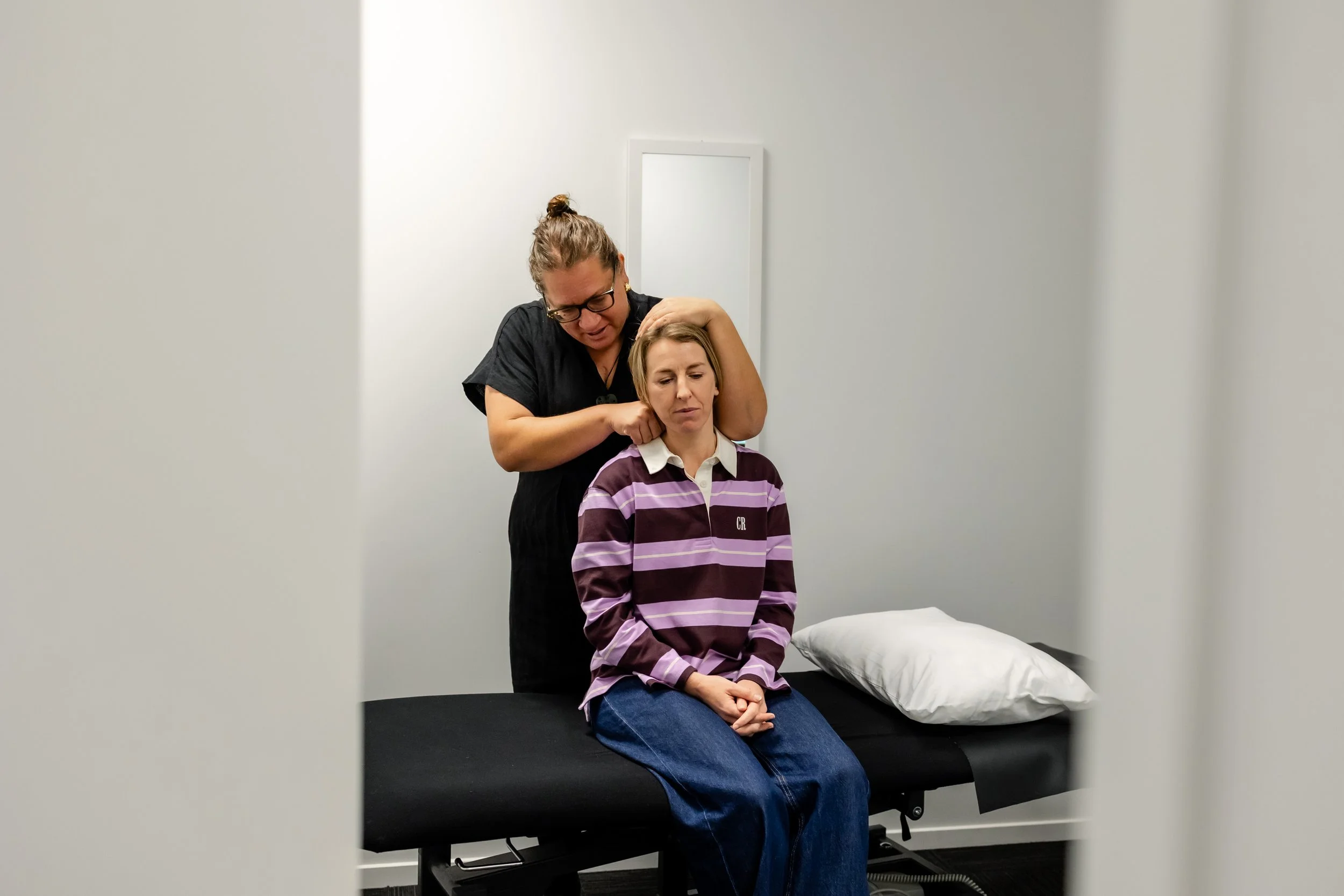
Your physio will ask about your symptoms, how they started, what makes them better or worse, and how they’re affecting your day-to-day life, work, sport or other activities.

2. We’ll assess how you’re moving
Depending on your problem, this might include looking at your movement, strength, flexibility, balance or the way a particular area is functioning. Your physio will explain what they’re looking for and why.

3. We’ll work out what’s contributing to the problem
The aim isn’t just to identify where it hurts. Your physio will consider the bigger picture and help you understand what may be contributing to your symptoms.

4. We’ll talk through your treatment options
Treatment will depend on what you need. This might include hands-on treatment, exercises, advice about activity or movement, or a combination of different approaches.

5. You’ll leave with a plan
Where appropriate, you’ll be given things you can work on between appointments to help support your recovery. This might be a few simple exercises, advice on modifying an activity, or strategies to gradually get you back to the things you want to do.

You don’t need to have all the answers before you come in

You don't need to know exactly what is wrong, how you injured yourself, or what treatment you need. That's what the appointment is for.

If you're unsure whether physiotherapy is appropriate for your problem, we're happy to talk it through with you, just send us an email or give us a call.

Got a niggle? Don't wait

We’ve all done it. Something starts to hurt, but it’s not bad enough to stop you completely, so you carry on and hope it settles down.

Sometimes it does, but sometimes that little niggle sticks around for weeks, gradually starts affecting how you move, and becomes something that is harder to ignore.

So, when is it worth getting it checked out?

You don’t have to wait until it’s really sore

You don’t need to be in significant pain or have a major injury before seeing a physio.

It might be a knee that has started hurting after running, a shoulder that’s becoming uncomfortable at work, a back that hasn’t settled after a few days, or a niggle that keeps coming back every time you get back into sport.

Getting it assessed can help you understand what is causing the problem and, importantly, what you should do about it.

Sometimes the answer is reassurance and a few simple changes. Sometimes you need a structured rehabilitation programme. And sometimes we may recommend getting something further investigated or referring you to another health professional.

The important thing is knowing what you’re dealing with rather than guessing and hoping for the best.

Why getting onto it early can help

For many musculoskeletal problems, continuing to move and gradually returning to normal activity is an important part of recovery. The right approach depends on the injury, though — doing too much too soon can be just as unhelpful as doing too little.

This is where an early assessment can be useful. Rather than stopping everything or trying to work it out yourself, you can get some guidance on what is appropriate for you.

Getting the right advice sooner can help you avoid unnecessary delays, understand what you can safely do, and start working towards getting back to the things you need and want to do.

One of the advantages of having a problem assessed early is simply getting a plan.

And if you’re thinking, “I should probably get this looked at, but I’ll have to wait weeks for an appointment,” that isn’t the case.

We often have same-day appointments available, so if you’ve woken up with a new injury, your usual niggle has suddenly become more painful, or something just isn’t improving, give us a call.

You don’t have to wait until it becomes a bigger problem.

Got a niggle? Don’t wait. Get in touch with us and let’s work out what’s going on.

When Can Strapping Help? A Physiotherapist Explains

When Can Strapping Help? A Physiotherapist Explains

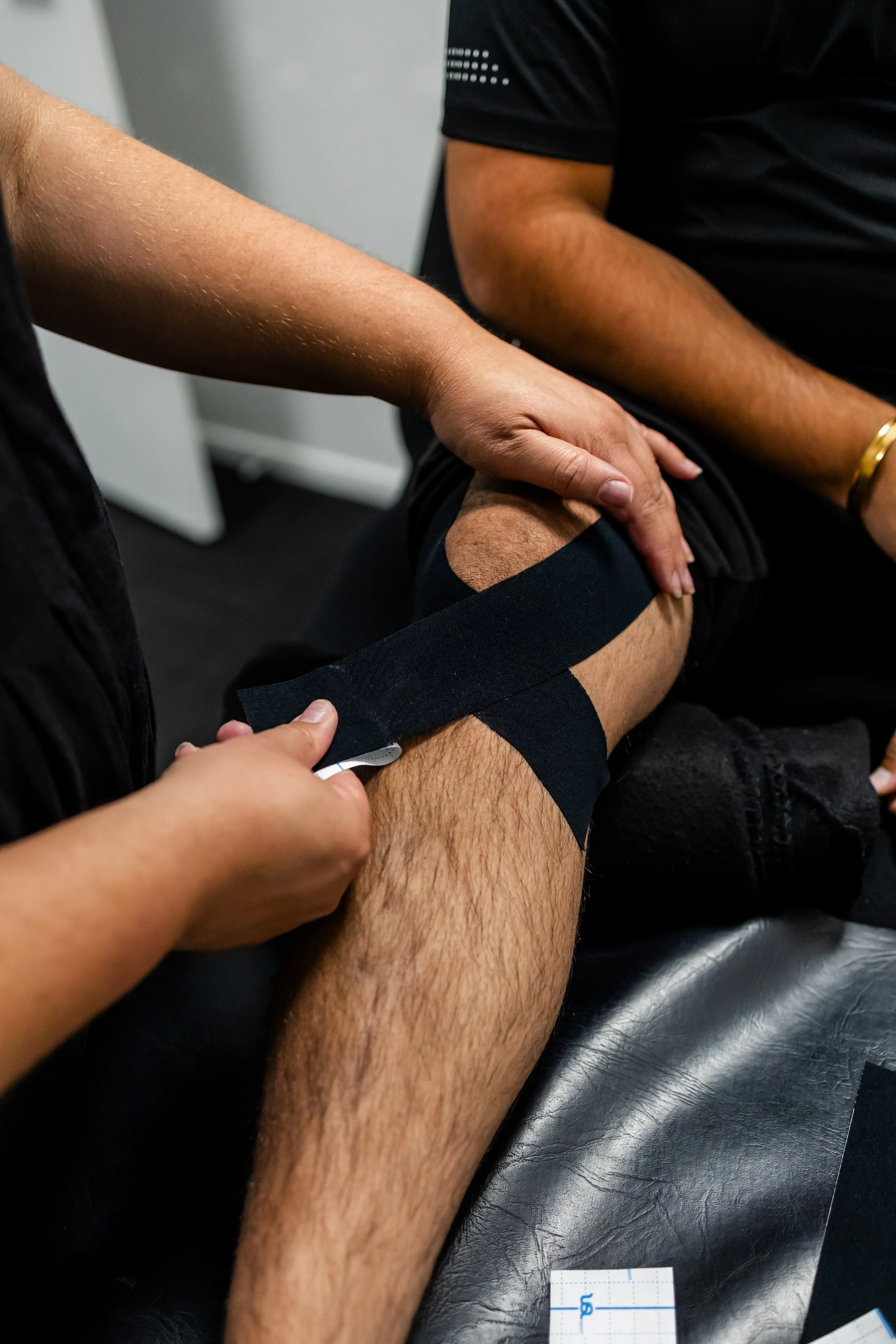
Strapping can be a simple but effective way to support an injury while you're recovering.

At Focused Physiotherapy, we use a range of strapping techniques to help support muscles, joints and ligaments. After assessing your injury, we'll determine whether strapping is appropriate and incorporate it into a treatment plan designed around your goals. Our team provides sports strapping and injury management from our clinics in Ōtorohanga, Cambridge, Te Awamutu, Beerescourt, Mangakino and Hamilton.