
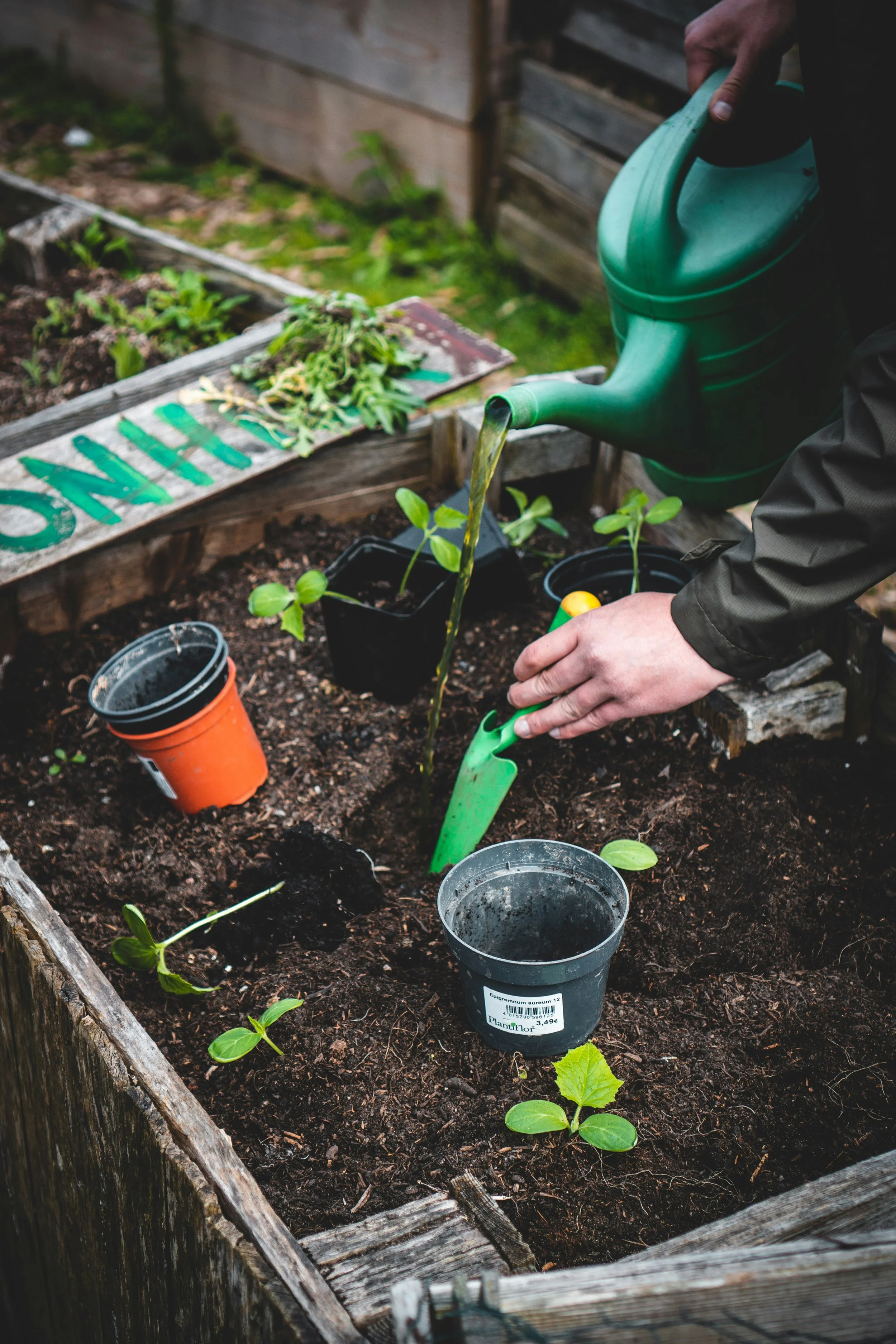
Spring gardening is a great way to get outside, stay active and enjoy the warmer weather. But after a quieter winter, suddenly spending hours digging, planting, pruning and weeding can leave you with an aching back, sore neck or tired muscles.
A few simple changes can help reduce the risk of back pain from gardening and other common gardening injuries, while still allowing you to get stuck into the garden.
Take regular breaks
Spending a long time bent over weeding or planting can put extra strain on your back and neck. Take regular breaks to stand up, walk around and change position.
Even a few minutes of movement every 20–30 minutes can help give your spine and neck a break from being held in the same position.
Change your position
Try not to spend too long doing the same task or working in one position. Alternate between activities where possible.
If you're working close to the ground, a knee pad or low gardening stool can make planting and weeding more comfortable and reduce the amount of bending through your back.
Use the right tools
The right tools can make a big difference when it comes to preventing gardening injuries.
Long-handled tools can help you stay more upright, while a wheelbarrow or garden trolley can reduce the amount of lifting and carrying you need to do.
Warm up and stretch
Gardening might not feel like exercise, but digging, lifting, pushing and pulling can be physically demanding.
Before starting a big gardening job, spend a few minutes walking around and gently moving your shoulders, back, hips and legs. You don't need a complicated stretching routine, the goal is simply to get your body moving before you start more strenuous work.
Lift carefully
Bags of soil, pots, rocks and garden waste can be surprisingly heavy. Before lifting, plan where you're going and make sure you have a stable footing.
Bend through your hips and knees rather than rounding your back, and keep loads close to your body. If something is particularly heavy or awkward, ask for help or find another way to move it.
Avoid twisting while lifting
Try not to combine lifting with twisting through your back. Instead, move your feet and turn your whole body towards where you're moving the load.
For example, if you're moving a pot, position yourself facing the direction you're going before you lift rather than lifting and then twisting.
Pace yourself
You don't have to get the whole garden done in one weekend. If you're digging, clearing garden beds or spreading mulch, break the job into smaller sections and spread the work throughout the day or over several days.
This is particularly important if you've been less active over winter. Give your body time to adjust to the increase in activity.
Listen to your body
It's normal to feel like you've done some work after a busy day in the garden, but persistent or worsening pain shouldn't simply be pushed through.
If something starts to hurt, take a break, change position or try a different approach. If back pain, neck pain or another gardening injury continues or starts affecting your everyday activities, it may be worth getting it checked.
Enjoy your garden this spring
Gardening is a great way to keep moving and enjoy the outdoors. You don't need to avoid physical work to protect your back, but a little planning and pacing can go a long way.
Take regular breaks, change positions, use the right tools, lift carefully and build up gradually if you've been less active over winter.
If you do develop back pain, neck pain or another injury from gardening that isn't settling, a physiotherapist can help identify what's contributing to your pain and provide advice to help you get back to the activities you enjoy.